Practical LED Strip Lighting for Engineering and Everyday Applications
LED strip lighting has become an important part of modern lighting design because it offers flexibility, energy efficiency, and practical use across many environments. From home interiors to industrial projects, these lighting strips are used where traditional lighting solutions may not fit easily. Their compact structure allows installation in narrow spaces, while their lighting output supports both decorative and functional needs. Engineers, designers, and installers often consider factors such as waterproof protection, PCB structure, and strip dimensions before choosing the right product. These technical details help ensure that LED strip lighting performs reliably in real-world applications where durability and efficiency matter.
PCB Design and Structural Role in LED Strip Performance
The PCB is one of the most important parts of an LED strip because it supports the LEDs and helps maintain electrical flow throughout the strip. In this product, the 3528 LED light strip PCB Color: White is an important design feature that can improve light reflection and contribute to cleaner light output. White PCB designs are often used in lighting systems because they help reflect unused light rather than absorb it. This can be useful in installations where consistent brightness is required. Beyond appearance, PCB quality also affects heat management, circuit stability, and long-term reliability, which are essential factors in engineering-based lighting projects.
Waterproof Protection for Real-World Installations
Environmental protection is a key factor when LED strips are used in spaces exposed to moisture, dust, or changing conditions. This strip comes with 3528 LED light strip Waterproof: IP65, which provides protection against water splashes and dust exposure in common applications. This makes it suitable for practical use in outdoor decorative setups, bathroom lighting, kitchen installations, signage, and semi-exposed commercial areas. Waterproof ratings are important because they help protect the internal electrical parts from damage. In engineering applications, selecting the correct waterproof level improves product life and reduces maintenance issues, making the lighting system more dependable in demanding environments.
Strip Size Matters in Installation Planning
Dimensions play a major role in lighting design because the physical size of the strip affects how and where it can be installed. In this case, the 2835 high voltage lamp strip Size:5000x8mm offers a practical format for many projects. A 5-meter strip length provides good coverage for extended installations, while the 8mm width makes it slim enough for narrow channels, edges, and concealed lighting areas. These dimensions are especially useful in architectural lighting, display shelves, cabinets, and commercial design projects. Engineers and installers often consider strip size carefully because it directly affects mounting options, wiring layouts, and final lighting appearance.
Importance of Waterproof LED Strips in Functional Design
Waterproof LED strip lighting is not only used for decorative purposes but also serves functional roles in environments where protection is necessary. Areas such as kitchens, balconies, retail displays, outdoor signboards, and pathway lighting often require lighting that can handle occasional moisture exposure. Without proper protection, lighting systems may face damage over time, leading to reduced performance or early failure. Waterproof LED strip wholesale help improve reliability in such conditions. This makes them a practical solution for engineers and installers who need lighting products that can continue working efficiently while facing environmental challenges in daily use.
Engineering Considerations in Heat and Power Management
LED strip lighting systems must be designed with proper heat and power management in mind. Although LEDs use less electricity than traditional lights, they still generate heat during operation. Good PCB quality and proper strip design help distribute heat more effectively, reducing stress on the LED chips. Power planning is also important, especially in longer strip installations where voltage drop can affect brightness consistency. Engineers often evaluate strip length, voltage requirements, and mounting surfaces before installation. These practical technical factors help improve performance, maintain safety, and ensure the lighting system works efficiently over a longer period.
See also: Exploring the Role of Technology in Mental Health Care
Flexible Applications Across Residential and Commercial Spaces
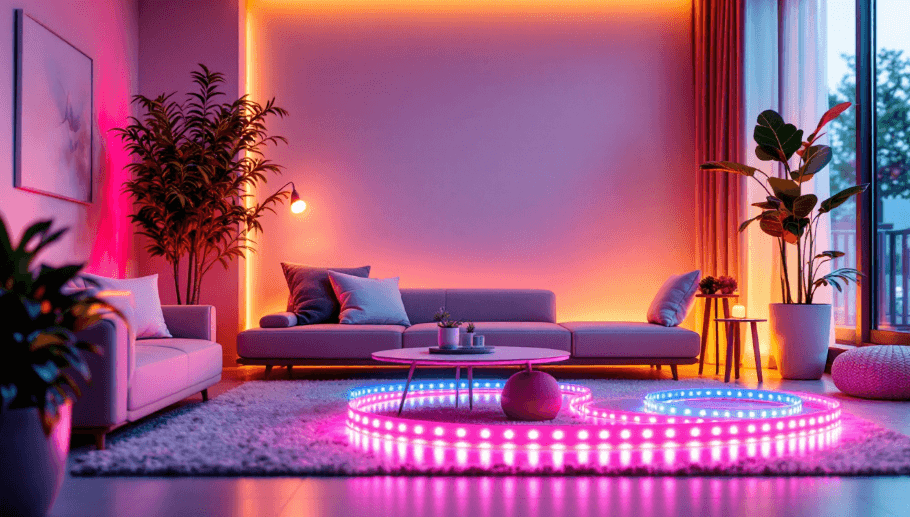
LED strip lights are used in many types of projects because their flexible structure allows them to fit into different environments. In homes, they are often installed under cabinets, behind mirrors, in ceiling coves, and along staircases. In commercial spaces, they are used in retail shelves, office interiors, signboards, counters, and display units. Waterproof options also support semi-outdoor installations where environmental protection is required. Their slim shape and practical design make them suitable for projects where traditional lighting fixtures may not work efficiently. This flexibility makes LED strip lighting a practical engineering solution for modern lighting layouts.
Choosing Quality for Reliable Lighting Results
Product quality is important in LED strip lighting because it affects performance, durability, and installation reliability. A trusted led strip lights manufacturer focuses on engineering standards, material quality, and proper production processes to create products that work consistently in different applications. Buyers also often look for dependable options in waterproof led strip wholesale purchases, especially when large projects require lighting products with consistent specifications. When technical features such as waterproof protection, PCB quality, and strip dimensions are properly designed, LED strip lighting becomes a reliable solution for practical lighting needs in both everyday and professional installations.