How to Get Into Musical Theatre Without Formal Training
You can get into musical theatre by taking acting classes, joining community productions, and building your skills through consistent practice. No formal training is required here.
In fact, most performers in Singapore didn’t start with expensive degrees. They attended workshops, auditioned for local shows, and learned through hands-on experience. Krisp Production worked with plenty of these performers who discovered their talent later in life, and they’re doing great on stage.
This guide walks you through the practical steps to start your musical theatre journey. Plus, you’ll learn which acting techniques are truly important, how to practice at home, and where to find real stage experience in Singapore.
Ready? Let’s get you performing.
Why Formal Training Isn’t Required for Musical Theatre
Formal training is not required in musical theatre because casting teams focus on how well you sing, act, and move on stage. In this profession, skill and commitment carry more weight than a certificate.
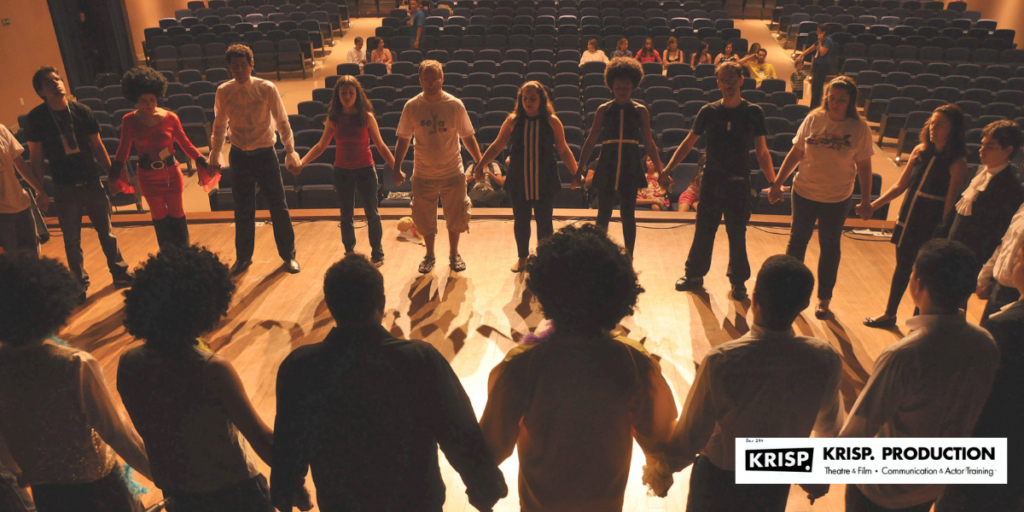
Most actors you see on stage didn’t go to fancy acting schools (and yes, those tuition bills can buy you a small car). They took acting classes at local studios, practiced their craft relentlessly, and showed up to every audition they could find. That’s how their skills came from doing the work, not sitting in a classroom for four years.
Generally, musical theatre training programs focus on techniques you can use right away. But you still need to learn how to break down a script, handle auditions, and build real confidence on stage for yourself. These are the skills that help you when you actually play a role, not your school’s name on a resume.
Acting Classes and Techniques for Musical Theatre Beginners
The best part about modern acting classes is that you can start with fundamentals that work immediately in rehearsals. So, you don’t need to be a master of everything before your first performance.
Let’s look at a few basic techniques that may help you as a beginner.
Meisner Technique: Reacting Authentically in The Scenes
Meisner training teaches you to listen and respond truthfully to other performers. So, instead of planning every reaction in your head, you learn to stay present and let honest emotions come through naturally.
This acting technique builds real reactions instead of forced line delivery. You might be wondering how to practice this at home. Well, it’s Simple. Just grab a partner and do repetition exercises where you respond to what they’re actually doing, not what you think should happen next.
We know it feels awkward at first, but that’s how you develop the instinct to react authentically in scenes.
Character Development Through Script Analysis
Script analysis helps you understand your character’s motivation and relationships in the show. With this approach, you move beyond memorising lines and start understanding what your character wants and what stands in the way.
Once you’ve figured out the character, break down scenes by identifying objectives, obstacles, and emotional beats for each moment. Then, ask yourself what changes between the start and end of a scene. That’s how this craft improves your performance even without years of formal theatre training.
Scene Work and Improvisation Fundamentals
Scene work teaches you how to stay present and react naturally to what’s happening on stage right now. Besides, improvisation builds confidence for auditions when directors ask you to try something different on the spot.
Both skills help beginners feel comfortable during rehearsals and live shows. And when you can adapt and respond truthfully, you bring energy to the production that makes everything else better, too.
Building Stage Presence and Confidence
Stage presence comes from body awareness, voice projection, and connecting with the audience in real-time. It means owning the space you’re in. And you can’t build it by being loud or dramatic.
Apart from stage presence, self-confidence grows through repetition and performing in front of people regularly. Drawing from our experience at Krisp Production, we’ve watched absolute beginner actors build their stage presence in just 8-10 weeks of consistent practice.
Bottom line: The more you perform, the more natural it feels to be up there.
See also: Preserving Architectural Beauty: The Timeless Craft of Heritage Plastering
How to Practice at Home Before Taking Classes
You can build performance skills at home by reading scripts aloud, recording yourself, and studying professional shows. You don’t have to be in a studio for this.

Here are the details of the above technique that can prepare you to be an actor from home.
- Read Scripts Aloud Daily: Pick scenes from shows you love and perform them in your living room. Then notice how your voice gets stronger with repetition, and how different emotions change your delivery. That’s how this technique develops voice control without needing a class.
- Record Your Performances: You can also film yourself performing monologues to watch them back without judgment. With this, you’ll catch weird pauses, mumbly words, or moments where your energy drops. We’ve seen actors use this technique all the time to spot problems they can’t feel while performing.
- Study Professional Shows: With these shows, you can watch how performers use their bodies, voices, and movement on stage. Don’t just enjoy their singing and dancing, study how they react during quiet moments and when they make eye contact with the audience.
The best part about these techniques is that they are completely free training right there. In fact, if you even take 15 minutes a day, it will build your communication skills and sort out your fundamentals.
How to Get Stage Experience in Singapore
You can get stage experience in Singapore by joining community productions, attending open workshops, and taking musical theatre classes designed for adults. These paths give you real rehearsal time, director feedback, and the chance to perform for live audiences.
Let’s learn them in detail.
Community Productions and Amateur Theatre Groups
Believe it or not, community theatre companies in Singapore welcome talent of all experience levels and ages. And they do it because they need performers for everything from lead roles to ensemble parts in their productions.
These shows also give you real rehearsal time, director feedback, and actual stage experience, which you should have after practicing alone. Plus, you’ll learn how to take notes, adjust your performance, and work with other actors under pressure.
Quick tip: Many groups from these communities perform at venues around Orchard, Bugis, and the Esplanade regularly. So, if you join them, you’ll get the chance to perform for real audiences.
Open Workshops at Arts Venues in Singapore
Arts centers offer drop-in sessions where you can learn acting fundamentals and performance techniques without long commitments. These workshops let you try different styles before signing up for ongoing programs.
They also focus on specific skills like voice work, movement, or audition preparation. And one great example of this is weekend intensives, where you learn your musical theatre basics in just two days.
Musical Theatre Classes for Adults in Singapore
Structured courses teach singing, acting, and dance fundamentals specifically for musical theatre performers. For instance, programs like Sing’theatre Academy welcome absolute beginners and focus on building confidence through small group scenes.
Through our workshops at Krisp Production, we’ve noticed that adult learners actually progress faster than children because they’re more focused and self-aware.
Verdict: From these courses, you’ll get consistent training and meet other aspiring performers in the process. Plus, most classes end with a showcase where students perform for friends and family.
Your Stage Debut Starts Now
You have plenty of options to start your musical theatre journey without formal education. And remember, your acting skills come from doing the work, not collecting certificates. When you build your experience this way, your potential as a performer grows every time you step on stage and truly perform.
So, sign up for one workshop, join a community show, or audition for local productions this month, and just show up. We know the first step is always the hardest, but trust us, it’s the only way to get real stage experience.
Ready to show up on stage? Check out Krisp Production’s acting workshops designed specifically for beginners who want to build real performance skills in a supportive environment.