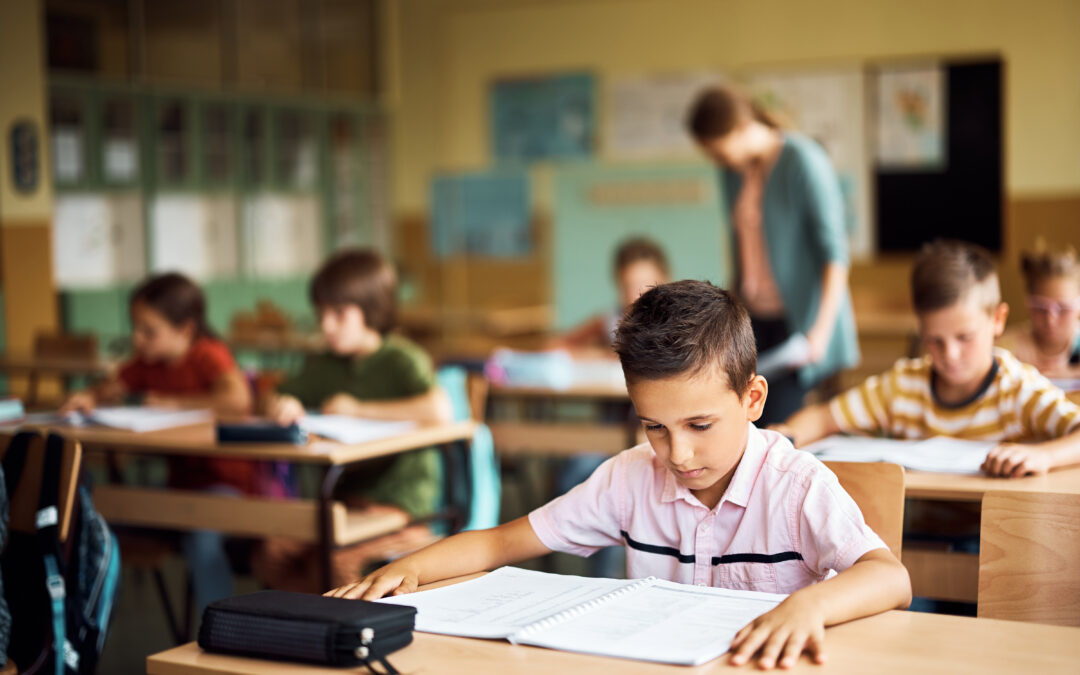
How Schools with IEP Ensure Personalized Learning for Every Student
Education is not a one-size-fits-all process. Every student learns differently, and some students may need extra support to succeed in school. This is where schools with IEP come into play. An Individualized Education Program, or IEP, is a carefully designed plan that addresses a student’s unique learning needs. Schools with IEP use these plans to ensure that every student receives personalized instruction, support, and resources to thrive academically and socially.
Understanding the Role of Schools with IEP
Schools with IEP are specialized in creating a learning environment that accommodates students with diverse needs. These schools work closely with students, parents, and educators to develop a tailored plan for each child. The IEP outlines specific goals, teaching strategies, accommodations, and services that a student requires. By following this plan, schools with IEP make sure that students have equal opportunities to succeed, regardless of their learning challenges.
Personalized Learning Plans for Each Student
One of the most important aspects of schools with IEP is the development of personalized learning plans. These plans focus on the student’s strengths and areas for improvement. Teachers and specialists collaborate to design lessons that match the student’s learning style, pace, and abilities. This personalized approach ensures that students are not left behind and can progress at a level that suits them. In addition, students receive regular feedback to help them understand their progress and stay motivated.
Collaboration Between Teachers, Parents, and Specialists
Effective personalized learning in schools with IEP relies on strong collaboration. Teachers work with parents, counselors, and special education specialists to understand the student’s needs fully. Parents provide insights into their child’s learning habits and preferences, while specialists offer strategies to address specific challenges. This teamwork ensures that the IEP is implemented effectively and that adjustments can be made as the student grows and develops. Regular meetings allow everyone involved to review progress and make necessary changes to the learning plan.
Adapting Teaching Methods to Individual Needs
Schools with IEP use a variety of teaching methods to cater to each student. Some students may benefit from visual aids, while others learn better through hands-on activities or verbal explanations. Technology also plays a key role in supporting personalized learning. Educational software, tablets, and interactive tools allow students to learn at their own pace and receive immediate support when needed. By adapting teaching methods, schools with IEP help students understand concepts more clearly and retain knowledge effectively.
See also: How Master Data Management Improves Data Quality Across Your Organization
Providing Extra Support and Resources
In addition to customized lessons, schools with IEP provide extra support to help students succeed. This may include one-on-one tutoring, speech therapy, occupational therapy, or counseling services. These resources are designed to address challenges that may affect learning, such as attention difficulties, speech delays, or social skills development. By offering these services, schools with IEP ensure that students receive comprehensive support that goes beyond regular classroom instruction.
Monitoring Progress and Adjusting Goals
Personalized learning is an ongoing process. Schools with IEP continuously monitor students’ progress to ensure they are meeting their goals. Teachers track academic performance, behavior, and social development, making adjustments to the IEP as needed. If a student struggles with a particular skill, additional strategies or support can be provided. Conversely, if a student excels, the IEP can be updated to include more challenging goals. This flexibility ensures that the learning plan remains relevant and effective over time.
Conclusion
Schools with IEP play a vital role in providing personalized education for every student. Through individualized learning plans, collaboration among educators and parents, adapted teaching methods, and extra support, these schools ensure that students with diverse needs can succeed. By continuously monitoring progress and making adjustments, schools with IEP create an inclusive and supportive environment where every student has the opportunity to reach their full potential. This approach not only fosters academic growth but also helps students develop confidence and a love for learning.